Optimal Timing for Satellite Dish Removal
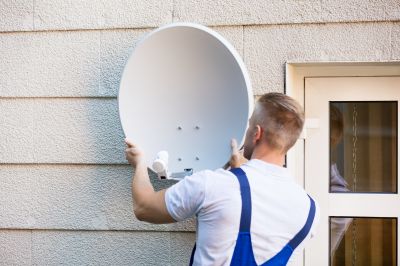
Summer offers longer daylight hours and generally better weather conditions, making it ideal for outdoor work such as satellite dish removals.
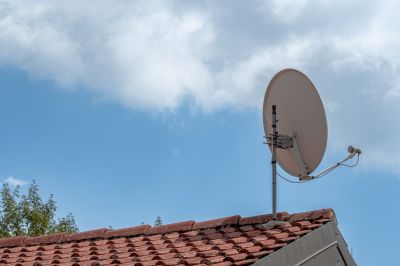
Winter can pose challenges due to snow, ice, and cold temperatures, which may delay or complicate removal processes.
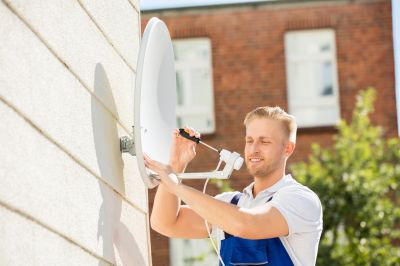
Spring and fall often provide moderate weather, reducing risks associated with extreme temperatures or weather events.
Ways to make Satellite Dish Removals work in tight or awkward layouts.
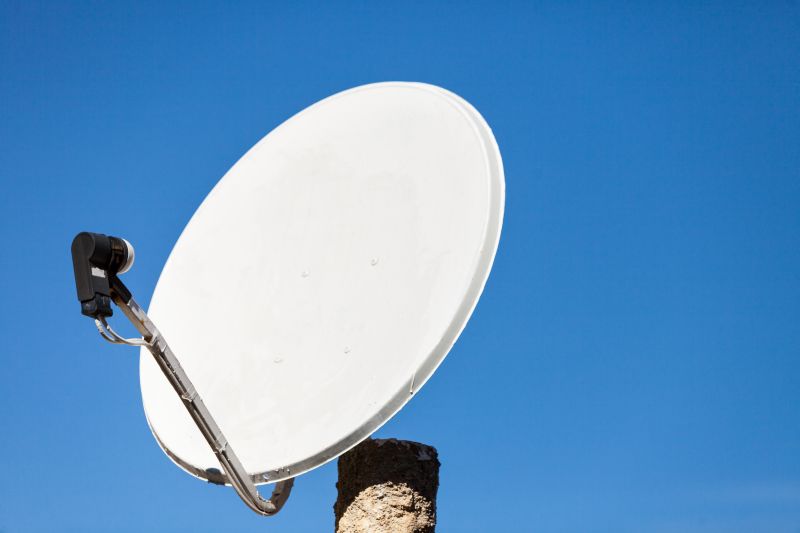
Popular materials for Satellite Dish Removals and why they hold up over time.
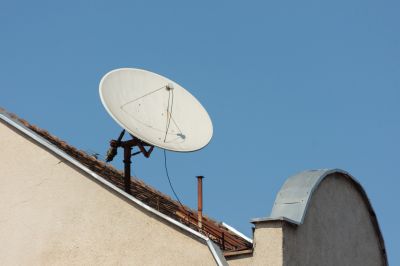
Simple add-ons that improve Satellite Dish Removals without blowing the budget.
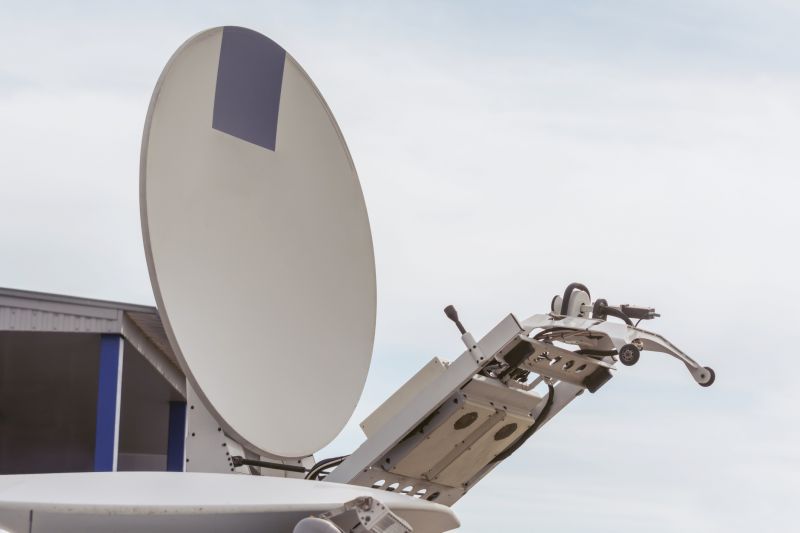
High-end options that actually feel worth it for Satellite Dish Removals.
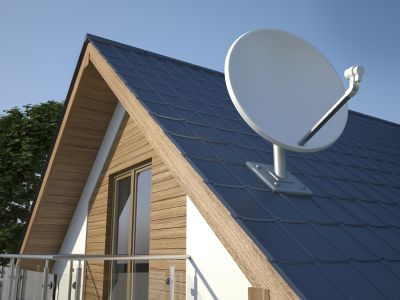
Finishes and colors that play nicely with Satellite Dish Removals.
Satellite dish removals are typically scheduled based on weather conditions, project urgency, and property owner preferences. The process involves disconnecting the dish, safely detaching it from mounts, and disposing of or storing the equipment. Proper timing ensures safety, minimizes disruptions, and can prevent damage caused by adverse weather. Statistically, most removals are conducted during mild weather months to avoid delays and safety hazards associated with storms or severe cold.
The frequency of satellite dish removals varies depending on factors such as technological upgrades, property renovations, or changes in service providers. Data indicates that a significant percentage of removals occur during spring and early summer, aligning with periods of property upgrades and seasonal maintenance. Planning removals during optimal weather windows reduces risks and enhances safety for workers and property owners.
Rain, snow, and high winds can delay removal schedules and increase safety risks.
Spring and fall are preferred for their moderate weather conditions.
Scheduling removals ahead of adverse weather forecasts can prevent delays.
Proper equipment and timing are essential to ensure safety during removal.
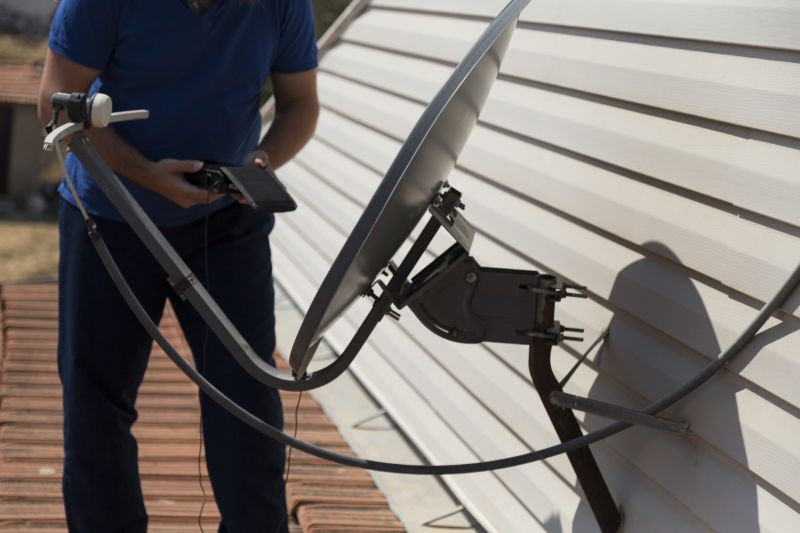
Technicians safely removing a satellite dish from a residential roof.
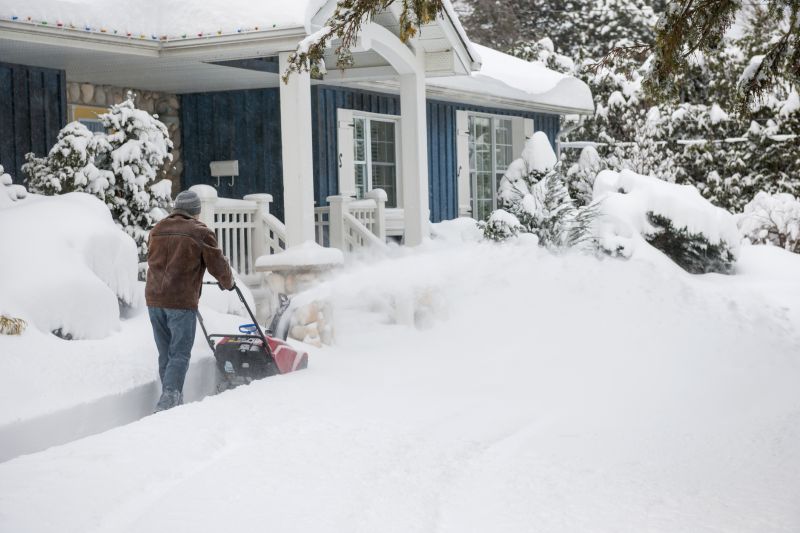
Removal work during cold weather with snow on the ground.
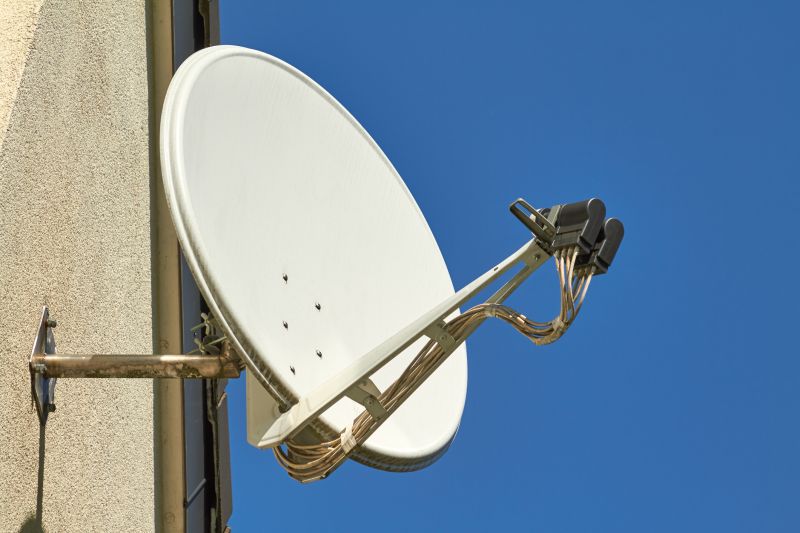
Satellite dish removal as part of property upgrades in spring.
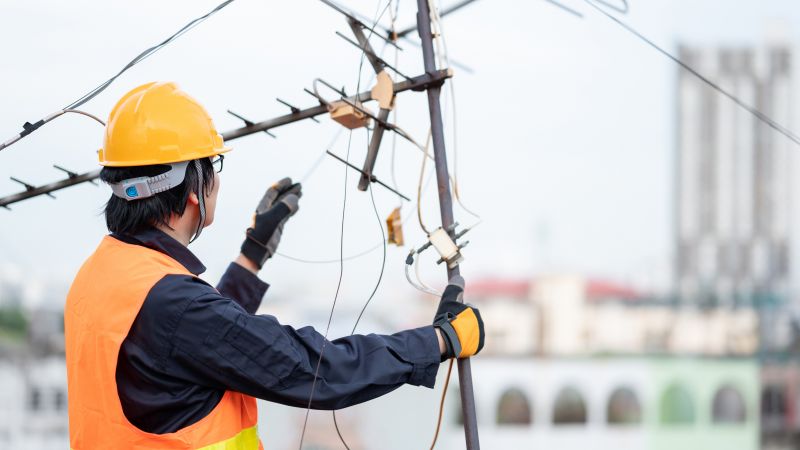
Proper tools and safety gear used during satellite dish removal.
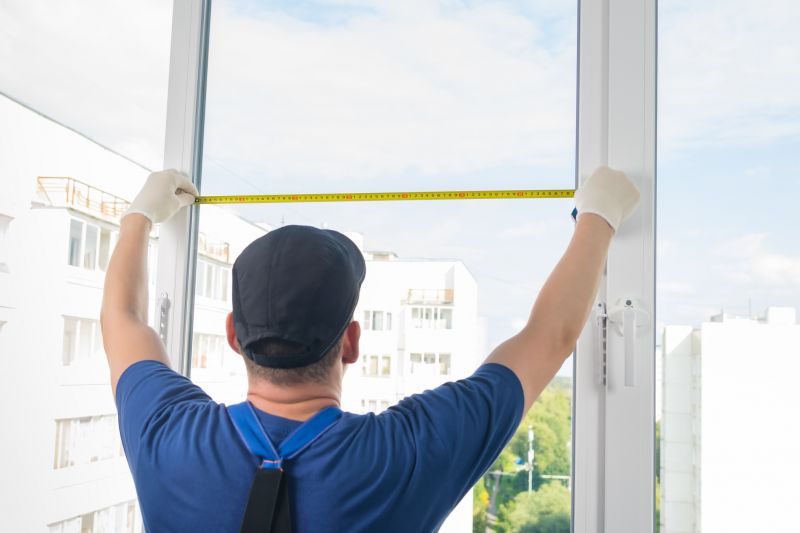
Little measurements that prevent headaches on Satellite Dish Removals day.
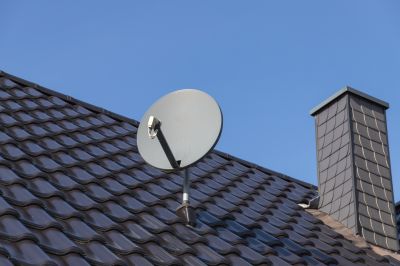
A 60-second routine that keeps Satellite Dish Removals looking new.
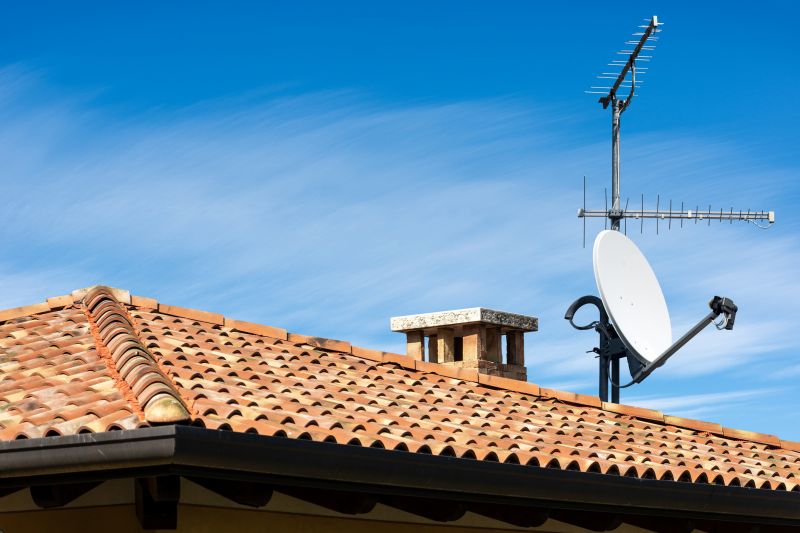
A frequent mistake in Satellite Dish Removals and how to dodge it.
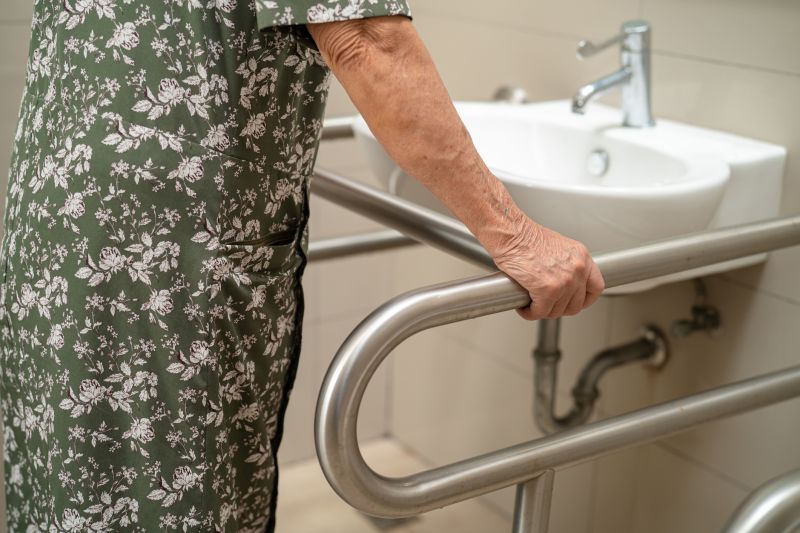
Small tweaks to make Satellite Dish Removals safer and easier to use.
| Season | Weather Conditions |
|---|---|
| Summer | Warm, longer daylight, low precipitation |
| Fall | Moderate temperatures, dry weather |
| Winter | Cold, snow, ice, potential delays |
| Spring | Mild temperatures, moderate weather |
| Late Fall | Cool temperatures, possible rain |
Choosing the right time for satellite dish removal depends on weather patterns, project scope, and safety considerations. Proper planning can reduce delays and prevent weather-related issues. For optimal safety and efficiency, scheduling during seasons with predictable and mild weather conditions is recommended.
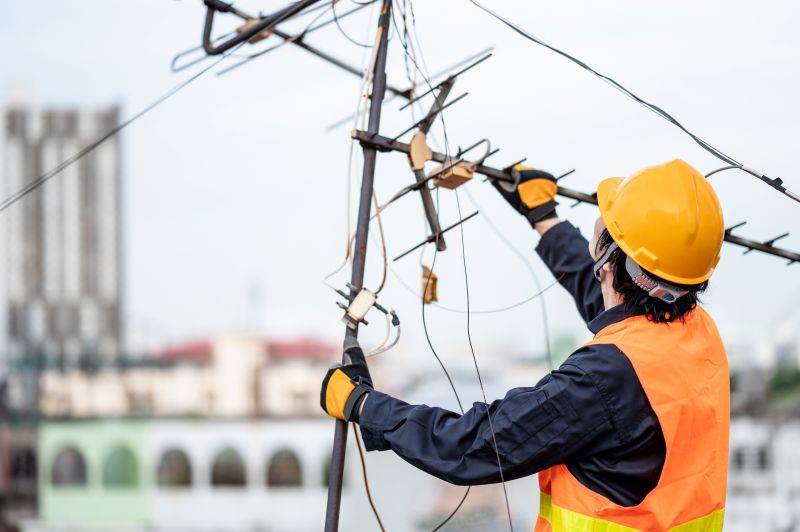
Technicians carefully disassembling a satellite dish during favorable weather.
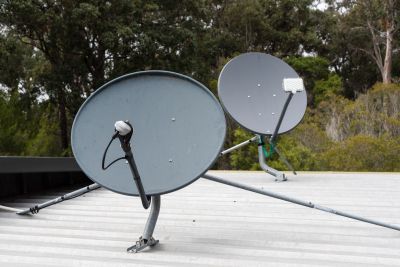
Removing a satellite dish in snowy conditions requires extra precautions.
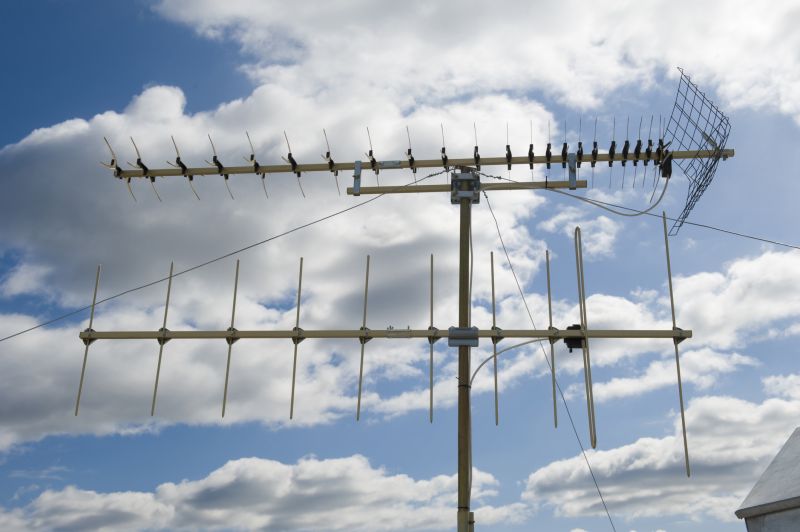
Spring offers optimal conditions for outdoor satellite dish work.
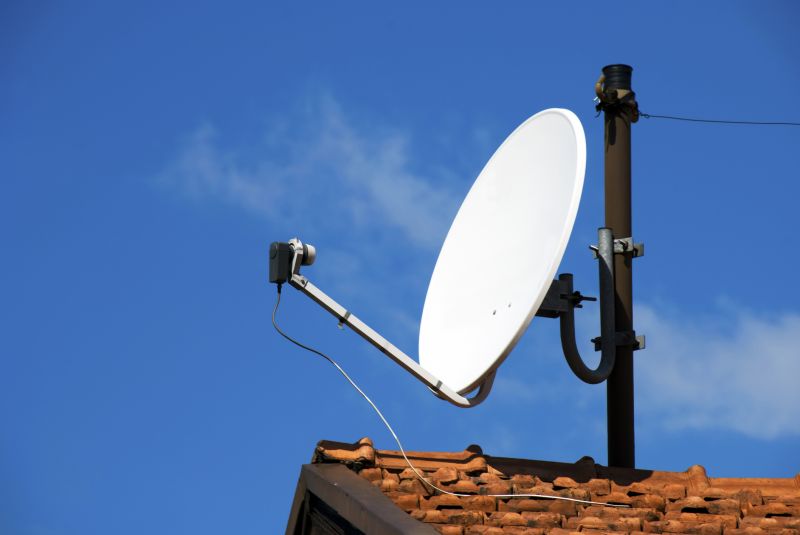
Lower-waste or water-saving choices for Satellite Dish Removals.

The short, realistic tool list for quality Satellite Dish Removals.
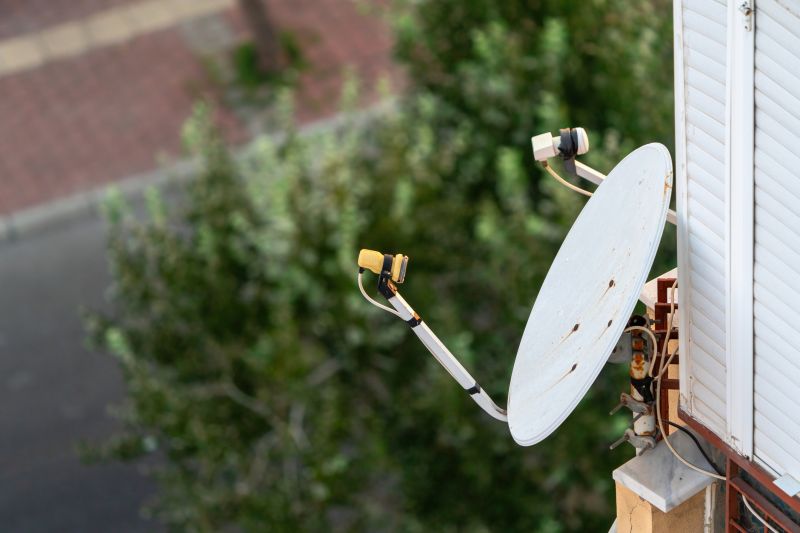
Rough timing from prep to clean-up for Satellite Dish Removals.

Quick checks and paperwork to keep after Satellite Dish Removals.
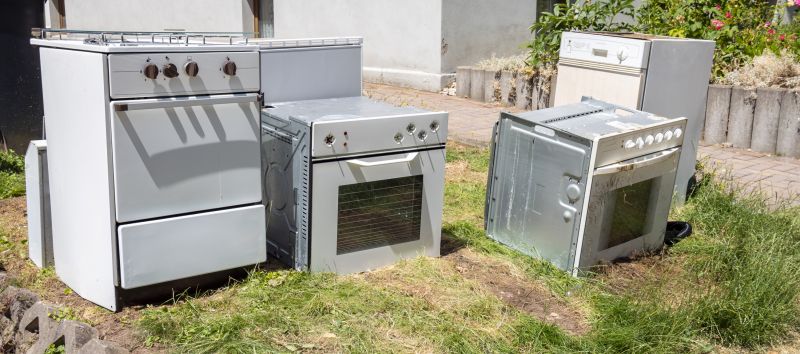
Examples that show the impact a good Satellite Dish Removals can make.
Interested parties can contact for scheduling satellite dish removals at a time that suits their needs. Proper timing ensures safety and efficiency, minimizing potential disruptions and hazards associated with adverse weather conditions.